Latest News

Spout Pouch vs Bag-in-Box: Which Liquid Packaging Solution Is Right for You?


Among the many flexible packaging options available today, spout pouches and bag-in-box (BIB) systems are two of the most widely used solutions for liquid and semi-liquid products. Both are types of flexible packaging, convenient for pouring and providing strong barrier protection, but they differ in their structure, usage scenarios, and cost components.

Choosing between a recyclable spout pouch and a bag-in-box packaging solution really depends on your product, your market, and how your customers use it.


What Is the Difference Between a Spout Pouch and a Bag-in-Box?


A spout pouch is a flexible, single-pack solution designed for direct consumer use, while a bag-in-box system combines a flexible inner bag with an outer carton for bulk liquid storage and dispensing. The main differences lie in capacity, usage scenario, dispensing method, and logistics efficiency.


Understanding Recyclable Spout Pouches


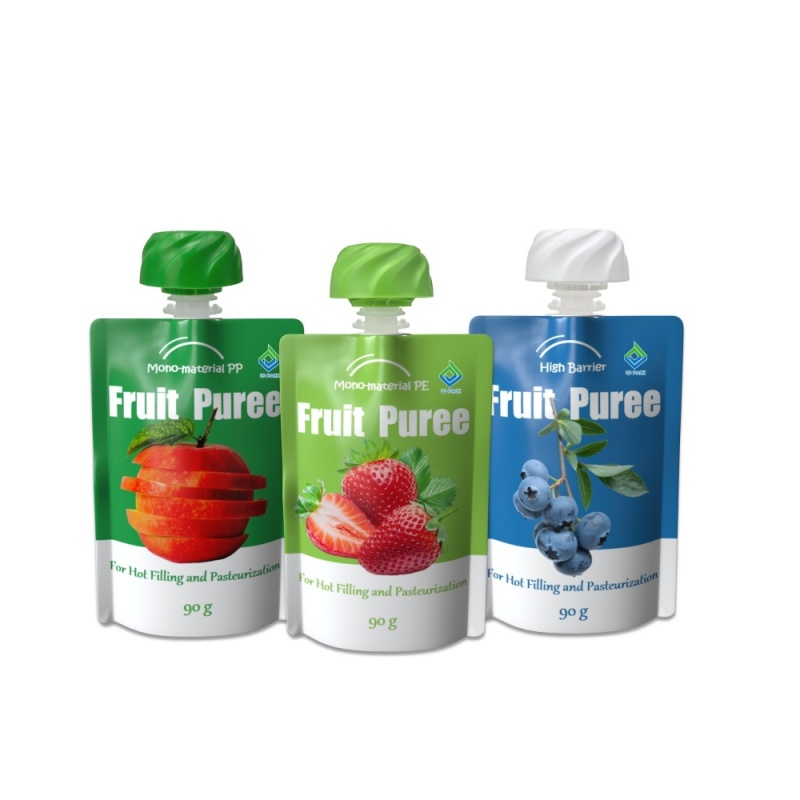
A spout pouch is a flexible pouch with a built-in spout and cap, designed for easy pouring and resealing. In recent years, recyclable spout pouches made from mono-material PE or PP structures have become especially popular as brands shift toward eco-friendly packaging.

These pouches are lightweight, compact, and surprisingly strong. Thanks to advanced film structures, they provide reliable barriers against moisture, oxygen, and light, which is critical for sensitive liquid products like juices, yogurt, or baby food.

recyclable spout pouches

Recyclable Spout Pouches


Where Spout Pouches Work Best?

Spout pouches are commonly used in retail-focused applications, where convenience and shelf appeal matter:

  • Beverages: juices, smoothies, functional drinks, and even water
  • Baby food: fruit purée, wet baby food, and toddler meals
  • Dairy products: yogurt, flavored milk, drinkable dairy

Consumers like them because they’re easy to carry, easy to pour, and easy to reseal. Parents, for example, appreciate spout pouches for baby food because they’re mess-free and travel-friendly.

From a branding perspective, spout pouches offer excellent product visibility. With glossy, matte, or even paper-feel finishes, they stand out on the shelf far more than traditional rigid bottles.

Key Benefits of Recyclable Spout Pouches

One of the biggest advantages of spout pouches is material efficiency. For brands targeting sustainability-conscious consumers, recyclable spout pouches check many boxes without compromising functionality.

Compared with rigid packaging, they use significantly less plastic, which helps reduce packaging waste and logistics costs.

Other notable benefits:

  • 100% fully recyclable structures (when using mono PE or mono PP)
  • Leak-proof sealing and secure spout design
  • Lower transportation emissions due to the lightweight format
  • Suitable for liquids, semi-liquids, and even powders


What Is Bag-in-Box (BIB) Packaging?


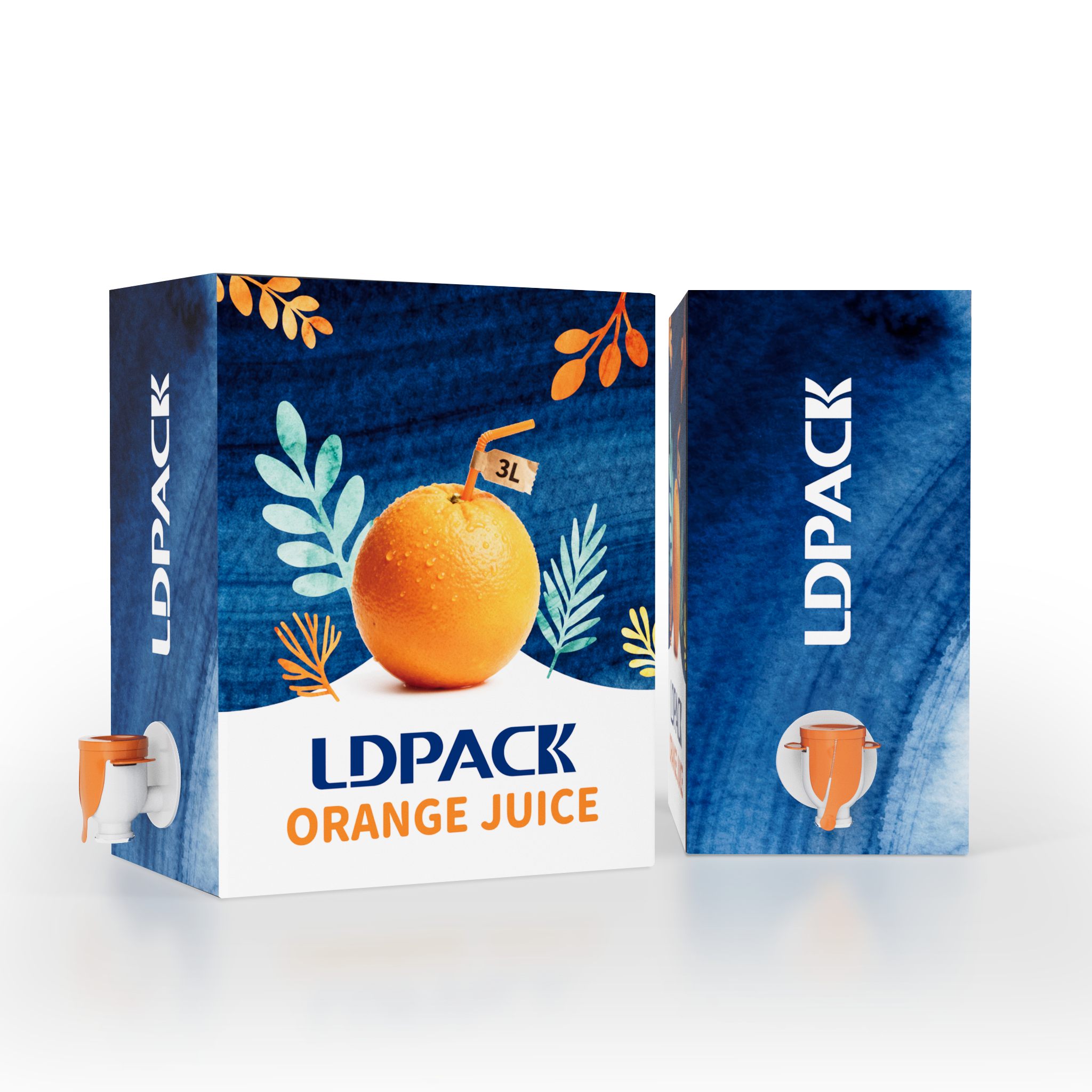
Bag-in-box packaging consists of a multi-layer inner bag fitted with a tap or spout, placed inside a corrugated outer box. Unlike spout pouches, BIB systems are designed to handle larger volumes, typically ranging from 1 liter up to 220 liters, making bag-in-box packaging a preferred choice for foodservice, retail refills, and industrial liquid handling.

bag-in-box packaging

Bag-in-box Packaging


Typical Applications of Bag-in-Box Packaging

Bag-in-box solutions are widely used in:

  • Retail & foodservice: wine, juice, dairy, sauces
  • Industrial use: bulk liquid packaging, refill systems, and dispensing solutions

In restaurants or cafés, BIB systems are ideal for beverages like juice or milk because they connect directly to dispensing equipment. For industrial customers, the focus is less on appearance and more on safe transport, extended shelf life, and cost control.

Strengths of Bag-in-Box Packaging

One of the strongest selling points of bag-in-box is its scalability. Whether you’re shipping 5 liters or 200 liters, the system remains efficient and reliable.

Key advantages:

  • Excellent barrier performance from multi-layer films
  • Leak-proof construction for long-distance transport
  • Flat-packed outer boxes that save storage space
  • Lower shipping costs compared with rigid containers

From a sustainability angle, BIB uses less plastic than rigid drums, and the outer carton is generally recyclable. Some bag-in-box systems now also use mono-material PE inner bags, further improving recyclability.


Spout Pouch vs Bag-in-Box: A Practical Comparison


Rather than asking which packaging is better, a more useful question is: which one fits your product and business model?

Spout pouches shine in retail environments where design, usability, and branding influence purchasing decisions. Choose spout pouches if:

  • Your product is sold directly to consumers
  • Convenience, portability, and shelf appeal matter
  • You’re packaging small to medium volumes
  • Sustainability messaging is important to your brand

Bag-in-box packaging is more about system efficiency than visual impact. Choose bag-in-box if:

  • You’re dealing with large-volume liquids
  • Your customers are foodservice operators or industrial users
  • Dispensing efficiency and storage optimization are key
  • You want to reduce costs at scale

Spout Pouch vs Bag-in-Box: Quick Comparison

Item

Recyclable Spout Pouch

Bag-in-Box (BIB)

Typical Volume

Small to medium volumes

1 L to 220 L

Main Applications

Beverages, baby food, dairy products

Wine, juice, dairy, sauces, industrial liquids

Target Market

Retail & consumer-facing products

Foodservice, bulk & industrial use

Structure

Mono-material PE or PP pouch with spout

Inner flexible bag + outer corrugated box

Barrier Performance

Strong barrier against moisture, oxygen, and light

Excellent multi-layer barrier for extended shelf life

Convenience

Easy to carry, pour, and reseal

Designed for dispensing systems and bulk use

Shelf Appeal

High, with customizable printing and finishes

Low, focus on functionality rather than appearance

Logistics Efficiency

Lightweight, space-saving for retail

Flat-packed boxes, highly efficient for transport

Sustainability

100% recyclable options available

Less plastic than rigid containers, recyclable outer box

Best Use Case

On-the-go, household, and premium retail products

High-volume liquids and refill solutions

While the table highlights the key differences at a glance, the right choice still depends on how the product is used, distributed, and consumed in real-world scenarios.


Conclusion: Making the Right Choice for Your Liquid Product


Choosing between a spout pouch and a bag-in-box solution depends on your product, your customers, and your real-world usage needs.

Recyclable spout pouches are ideal for consumer-facing products that demand convenience, portability, and strong shelf presence. Bag-in-box systems, on the other hand, excel in bulk liquid packaging, foodservice, and industrial applications where efficiency and cost control are critical.

Flexible packaging manufacturers like LD PACK offer both spout pouch packaging and bag-in-box solutions, with the ability to customize materials, structures, and formats based on specific product requirements. Looking for the right flexible packaging for your liquid products? Contact LD PACK to discuss customized liquid packaging solutions.

探索专属解决方案,从现在开始!

* 您的名字
* 公司名称
Whatsapp/微信
* 电子邮件
*订单数量
*产品类别
* 告诉我们您的具体需求吧