
How Long Does Bag-in-Box Wine Last? Shelf Life and Storage Explained
The short answer: Unopened bag-in-box wine is commonly intended for drinking within 6 to 12 months of filling. After opening, a refrigerated box may remain enjoyable for about 4 to 6 weeks, though some wines fade sooner.
Your producer's date and storage instructions take priority. The unopened shelf-life clock starts at filling, not when you bring the box home.
Understanding Boxed Wine
What Is Boxed Wine?
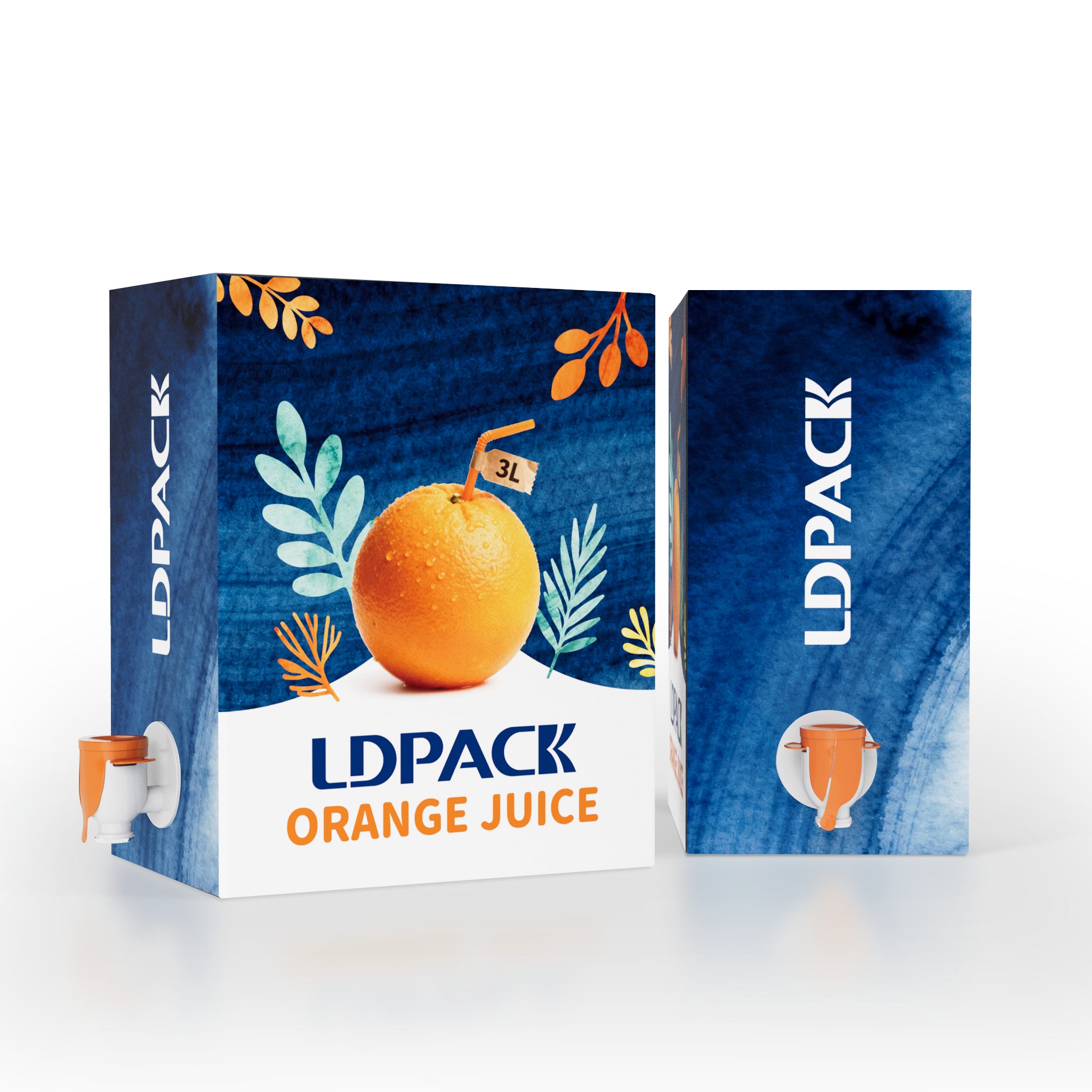
Boxed wine, also known as bag-in-box wine, comes in a flexible plastic bag housed inside a cardboard carton. A tap lets you pour one glass at a time without exposing all the remaining wine to air. It is convenient to serve and can be more affordable than bottled wine, depending on the product.
How Does the Bag-in-Box Design Work?
The inner bag shrinks as wine is poured. Unlike a partly emptied bottle, it does not leave a large air space above the remaining wine. This helps limit oxygen exposure and can keep the wine tasting fresh for longer after opening. The carton also shields the bag from light. For the best result, close the tap fully after each pour and keep the opened box cool.
Bag-in-box wine shelf life at a glance
These ranges describe typical still wine, not a shelf-life claim for every box. The printed date and the wine producer's instructions come first.
| Situation | Planning range | Check first |
|---|---|---|
| Unopened, stored cool | Commonly 6 to 12 months from filling | Read the date and inspect the carton and tap. |
| Opened, refrigerated | About 4 to 6 weeks for many wines | Note the opening date; check aroma before pouring. |
| Opened, left at room temperature | Often shorter, especially in summer | Chill it now and check it earlier. |
| Leaking or visibly damaged | No reliable estimate | Do not serve it; contact the seller. |
Just opened it? Write today's date on the carton and put the box in the fridge after serving. Found an old unopened box? Check its printed date and storage history before opening.
How long does boxed wine last unopened?
An unopened box has a limited freshness window. Small amounts of oxygen can pass through the inner bag and closure over time, even in a suitable package.
Wine intended for drinking young will not improve merely because the box sits in a pantry for another year.
Look for a best-before date, filling date or lot code. If only a code appears, ask the seller or winery how to read it. The time spent in shipping, a warehouse and a shop counts toward the unopened shelf life.
Keep unopened boxes away from windows, radiators, ovens and warm stockrooms.
Does red wine last longer than white wine in a box?
Color alone cannot answer that. Acidity, tannin, preservatives and storage history differ from wine to wine. A chilled white may stay fresher than a red kept near a warm appliance. Follow the producer's guidance for the specific wine.
How long does boxed wine last after opening?
As wine comes out through the tap, the flexible bag collapses around what remains. A half-empty bottle has air above the wine; a sound bag and tap reduce that growing air space.
This helps a box stay pleasant over repeated pours. Oxygen can still enter gradually, particularly at the closure.
Warm storage, an incompletely closed tap or wine that was already near its printed date can shorten freshness after opening.
When should you check it? Four to six weeks is a planning range for many refrigerated boxes. The last glass may taste different from the first.
For guests or wine-by-the-glass service, check earlier and follow any shorter supplier guidance.
No fridge space? Keep the box in the coolest available place, away from sunlight, and check it sooner. The refrigerated range does not automatically apply at room temperature. Chill red wine too, then let a poured glass warm slightly before drinking.
After a party: Refrigerate what remains and write the opening date on the carton. Before serving it again, pour a small glass and check its aroma.
Store it well from the first pour
For unopened stock, aim for a cool, dark place, around 10 to 18°C where practical. Avoid heat during shipping and display. After opening:
1. Write the opening date on the carton when you first use the tap.
2. Return the box to the refrigerator after serving, including red wine.
3. Close the tap completely and wipe away drips from the spout.
4. Keep the carton dry and protect the tap from knocks during storage.
5. Before serving again, check the wine's aroma and appearance.
In restaurants, mark opening dates, rotate stock and follow supplier instructions. At outdoor events, use a cooler instead of a parked car. Avoid freezing an unopened box, which can stress its bag and closure.
How can you tell if boxed wine has gone bad?
Check the pack first. Do not serve wine from a leaking tap, damaged bag or badly wet carton. Wine stains around the fitting also warrant a closer look.
If the pack is sound, pour a little into a clean glass. Look for:
- Smell: Vinegar-like, sharply chemical or otherwise unpleasant aromas.
- Color: Unexpected browning in white wine or a dull, brick-colored young red.
- Taste: Flat fruit, a papery finish or sharp bitterness.
Muted fruit after several weeks can simply mean the wine is fading. Do not taste wine that smells clearly wrong. If a small sample tastes off, discard the rest rather than serving it to guests.
A printed date tells you when the producer expects intended quality. It cannot replace a check for damaged packaging or wine that smells wrong.
Bag-in-box wine versus bottled wine
| When | Bag-in-box | Bottle |
|---|---|---|
| Before opening | Everyday wine is generally intended for drinking within months. | Some wines are made for longer cellaring. |
| After the first pour | The bag contracts as wine leaves. | The empty space fills with air unless preserved separately. |
| Best fit | Pouring one glass at a time over several weeks. | Serving a bottle soon or cellaring a suitable wine. |
The comparison assumes a flexible inner bag and working tap. A rigid carton without that system behaves differently.
What affects bag in box wine shelf life for wineries?
For a winery, "how long does bag in box wine last?" becomes a specification question. Start with the intended time from filling to the last sale. Then consider the wine, filling line, bag, tap and likely transport temperatures together.
LDPACK lists bag-in-box formats for retail, foodservice and bulk liquids across a 1 L to 220 L range. Options include multilayer bags, taps and spouts, and different film structures.
The 220 L industrial format serves a different application from a 3 L retail wine box. Capacity alone does not tell a winery which structure will meet its freshness target.
Retail example: A winery selling white wine through shops needs a tap customers can use cleanly. It should also test filled boxes after conditions that reflect storage and retail display.
Foodservice example: A restaurant pouring by the glass should assess repeated dispensing, tap cleanliness and the time a box spends outside the refrigerator during service.
What should a winery check before choosing a bag?
| Check | Ask the supplier or filling partner |
|---|---|
| Film barrier | What is the oxygen transmission rate, with units and test conditions? |
| Tap and seals | What evidence covers leaks and oxygen entry through the fitting? |
| Filling | Is the bag compatible with the line? How is oxygen pickup measured? |
| Distribution | Have filled samples been checked after realistic heat and handling? |
Compare candidate structures under the same test conditions. Record sensory changes at filling, during storage and near the proposed end date. A promising film result alone does not establish the finished wine's shelf life.
LDPACK also offers mono-material PE options. If recyclability matters, ask how the structure performs with your wine and whether the bag and tap can be collected locally.
The material must meet the freshness target and suit the disposal route.
FAQ
Q1. Can I drink boxed wine after its best-before date?
A: That date describes intended quality, not a universal day on which every box becomes unsafe. Check the producer's advice, storage history and package condition. If the date has passed, the tap leaks, or the wine smells wrong, choose another box. Do not cellar it for years.
Q2. Should I refrigerate boxed red wine after opening?
A: Yes. Cooling slows flavor changes. Let a poured glass warm slightly if you prefer.
Q3. What should I tell a packaging supplier?
A: Share your wine style, target market, fill volume, filling method, transport conditions and desired shelf life. Those details help narrow the options.
Planning a wine packaging project? Explore LDPACK's bag-in-box range or contact the team to discuss a format you can test with your wine.
Conclusion
Bag-in-box wine shelf life depends on the filling date, storage temperatures, and how well the bag and tap limit oxygen. As a guide, unopened wine is often best within 6 to 12 months; a refrigerated box may remain pleasant for 4 to 6 weeks after opening. Check the producer's date, chill opened wine, and stop serving it if the pack leaks or the wine smells wrong. For wineries, the answer to how long does bag in box wine last comes from testing the filled pack under realistic storage and handling.