
Leak-Proof Spout Pouch Design: Sealing, Fitment and Closure Factors
A leak-proof spout pouch is not created by a tight cap alone. For liquid, semi-liquid and refill products, leakage control depends on how the pouch body, seal area, spout fitment and closure work together under filling pressure, transportation impact, shelf storage and repeated consumer use.
For buyers, the real question is usually simple: Will this pouch stay clean, safe and reliable from filling line to end user? The answer depends on five design factors: film structure, heat-seal performance, spout-to-pouch welding, cap closure design and validation testing.
What Makes a Spout Pouch Leak-Proof?
A leak-proof spout pouch should resist leakage at three critical points:
- The pouch body and heat seals
- The welded spout fitment area
- The cap and reclosure system
If one of these areas is weak, the whole pack becomes vulnerable. A beautiful pouch with an oversized cap can still leak if the spout weld wrinkles. A strong laminate can still fail if the bottom gusset seal creates stress concentration. A good cap can still drip if the spout diameter does not match product viscosity.
That is why leak-proof design should start before artwork, sampling and filling trials. The product formula, viscosity, filling temperature, shelf-life target, filling machine and logistics route should all be considered at the specification stage.
Seal Strength Matters More Than “Thick Film”
A common mistake is assuming thicker film automatically means better leak resistance. In reality, the seal layer, seal width and sealing process matter more.
ASTM F88/F88M is widely used to measure the strength of seals in flexible barrier materials. The method measures the force required to separate a sealed test strip and also identifies how the specimen fails, which helps engineers understand whether the issue is poor bonding, material tear or another failure mode.
For buyers, this means seal strength should be discussed as a measurable performance requirement, not just a marketing claim.
Avoid Sharp Seal Geometry
Liquid pouches are exposed to internal pressure when dropped, squeezed, stacked or heated. Sharp 90-degree corners in side seals or gusset seals can concentrate stress. Rounded or arc transitions help distribute pressure more evenly and reduce the chance of seal blowout.
This is especially important for large-capacity spout pouches, detergent refills, sauces and retort applications where the pouch may face heavy filling weight, hot processing or rough transport.
Filling Temperature Changes the Design
A pouch for cold-filled juice does not need the same structure as a pouch for pasteurized puree or retort baby food. LD PACK’s retort spout pouch is designed to withstand up to 121°C for 30 minutes, making it suitable for high-temperature sterilization and pasteurization applications.
If your product is hot-filled, retorted or pasteurized, the inner sealant layer and spout material must be selected for thermal resistance. Otherwise, the pouch may pass room-temperature sampling but fail during real filling or sterilization.
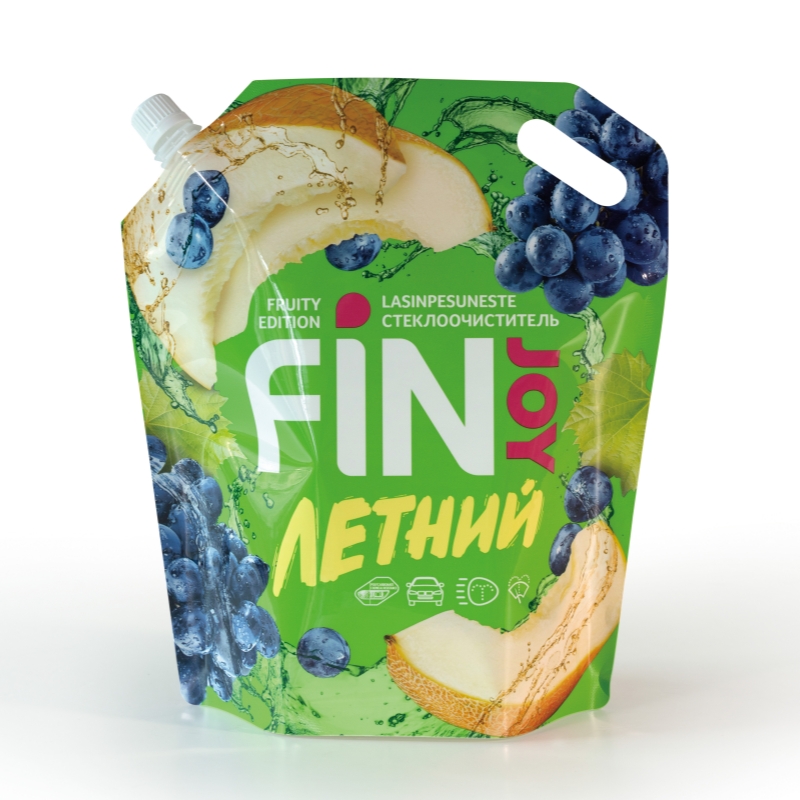
2. Fitment Design: The Spout Weld Is a High-Risk Area
The spout fitment is where a rigid component meets a flexible film. This transition area is one of the most common leakage points because the materials, thicknesses and mechanical behavior are different.
A reliable fitment design should consider:
- Spout material compatibility with the inner sealant layer
- Welding temperature, pressure and dwell time
- Flange shape and contact area
- Spout position and alignment
- Pouch format and filling direction
Match Spout Material With Pouch Structure
For many food, beverage and personal-care applications, PP and PE-based spouts are widely used because they can be paired with compatible sealant layers. For home-care or industrial liquids, chemical resistance and impact resistance become more important.
If a brand is moving toward recyclable packaging, the spout and cap should also be considered. LD PACK’s recyclable spout pouch can use mono PE, mono PP or mixed polyolefin structures, with reclosable options where cap and spout can be made from the same material.
Spout Size Should Follow Product Viscosity
A larger spout is not always better. Thin liquids need controlled pouring to avoid splashing. Thick sauces need a larger opening to reduce squeezing force. Kids’ puree needs an easy, safe flow. Detergent refills need fast pouring without glugging.
| Product Type | Key Design Concern | Practical Spout Choice |
|---|---|---|
| Juice, water, smoothies | Clean pouring, low drip risk | Smaller to medium spout |
| Yogurt, puree, baby food | Easy squeeze, child safety | Child-friendly spout and cap |
| Sauce, dressing, condiments | Viscosity and residue control | Medium or wider spout |
| Detergent refill | Fast transfer, no splash | Larger spout or corner spout |
| Retort food | Heat resistance and seal stability | Retort-grade spout system |
3. Closure Design: The Cap Is Part of the Seal System
The closure is not just a user convenience feature. It is part of the leak-control system.
A dependable closure usually includes two layers of protection:
- Thread engagement: keeps the cap mechanically locked
- Internal plug or land seal: creates direct sealing contact inside or on top of the spout opening
Thread tolerance matters. If the thread is too loose, leakage may occur during vibration or pressure change. If it is too tight, users may struggle to open the spout pouch or damage the fitment.
For food and child-focused categories, tamper-evident bands and anti-choke caps can improve both safety and consumer confidence. For refill pouches, cap grip and reclosure reliability matter because users may open and close the pouch multiple times.
4. Application-Based Design: Start With the Product, Not the Pouch
Baby Food and Fruit Puree
Priorities include food-contact safety, easy squeezing, controlled flow, cap safety and retort or pasteurization compatibility. The pouch should be comfortable for parents to carry and safe for children to use.
Yogurt and Dairy
Dairy products often require strong oxygen and light protection, low-temperature handling and clean squeezing performance. LDPACK’s yogurt spout pouch is positioned for yogurt, milkshakes and fruit puree, with barrier options and resealable spouts.
Sauces and Condiments
Sauces can be acidic, oily or viscous. The pouch must support clean dispensing, portion control and strong sealing. LD PACK’s sauce and condiment packaging page highlights recyclable spout pouch options with barrier protection, leak-proof sealing and easy pouring.
Home and Personal Care Refills
Detergents, shampoos and cleaners require stronger puncture resistance, chemical compatibility and reliable reclosure. For larger refills, the bottom gusset and corner seals should be reinforced to handle weight and squeezing pressure.
5. Testing: Do Not Approve a Leak-Proof Pouch by Appearance
A spout pouch sample can look perfect and still fail after filling, stacking or shipping. Leak-proof validation should include both material-level and package-level tests.
Seal Strength Testing
Seal strength testing helps confirm whether the heat-sealed areas can withstand handling and internal pressure. ASTM F88/F88M is relevant because it evaluates seal strength in flexible barrier materials and can be applied to seals involving flexible, rigid or semi-rigid materials.
Bubble Leak Testing
ASTM F2096 provides a practical method for detecting gross leaks in packaging by internal pressurization. The package is pressurized and observed for bubbles that indicate leakage.
For liquid spout pouches, this test can help identify micro-channels at the spout weld, weak side seals or defects around the gusset.
Drop, Vibration and Distribution Simulation
A pouch should also be tested under transport conditions. ISTA 3A is a general simulation test for packaged products shipped through parcel delivery systems and includes conditions relevant to air or ground distribution. Its overview also notes an optional low-pressure random vibration test to evaluate whether a package can hold a seal or closure without leaking.
This matters for e-commerce, export shipments and products shipped through multiple handling points.
Filling Line Trials
Before mass production, run a pilot trial using real product, real filling temperature and real cap torque. Pay attention to:
- Wrinkles near the spout weld
- Seal contamination from product splash
- Headspace and internal pressure
- Cap torque consistency
- Leakage after cooling, stacking or squeezing
Buyer Checklist: What to Confirm Before Ordering
Before asking for a quotation, prepare these details:
- Product type and viscosity
- Filling temperature
- Capacity and serving size
- Shelf-life target
- Spout position and diameter preference
- Cap type: screw, tamper-evident, anti-choke or flip-top
- Retort, pasteurization or hot-fill requirement
- Barrier needs: oxygen, moisture, aroma or light
- Recyclability target: mono PE, mono PP or mixed polyolefin
- Distribution route: retail, export, e-commerce or bulk transport
- Testing requirements: seal strength, leak, drop and filling trials
The more complete the specification, the easier it is to avoid over-design, under-design and delayed launches.
Why Work With LD PACK?
LDPACK has more than 35 years of experience in flexible packaging, an annual production capacity of over 25,000 tons, a 35,000 m² factory area, service coverage across 30+ regions.
For brands developing leak-proof spout pouch packaging, this matters because the final result depends on more than pouch converting. It requires material selection, barrier design, printing, lamination, spout insertion, cap matching, testing and production consistency.
LDPACK offers spout pouch formats for beverages, dairy, baby food, sauces, condiments, home care and recyclable packaging projects. Whether the goal is a retort spout pouch for puree, a recyclable mono-material pouch for juice, or a large-capacity refill pouch for detergent, the design should always be validated around the real product and real supply chain.
Conclusion
Leak-proof spout pouch design comes down to control: the right laminate and seal layer for the product, a clean spout weld with no wrinkles or micro-channels, and a cap that seals securely after every opening. When these details are matched to viscosity, filling temperature, shelf life and transport conditions, the pouch protects the product from filling line to consumer use. For buyers, the safest choice is not the cheapest pouch, but a tested structure built around the product it must hold.
FAQ
Q1. What is the most important factor in a leak-proof spout pouch?
A: The most important factor is compatibility. The film structure, inner sealant layer, spout material, welding process and cap closure must work together as one sealing system.
Q2. Can recyclable spout pouches be leak-proof?
A: Yes. Recyclable mono-material spout pouches can be designed for leak-proof performance, but they still need proper barrier selection, compatible fitments and package-level testing.
Q3. How do I choose the right spout size?
A: Start with product viscosity and user behavior. Thin beverages need controlled flow, while sauces and refills often need wider spouts for easier dispensing.
Q4. Are retort spout pouches suitable for baby food?
A: Yes, when designed with retort-grade materials and validated sealing performance. LD PACK’s retort spout pouch is designed for sterilized foods and can withstand 121°C for 30 minutes.
Q5. What tests should buyers request before mass production?
A: Buyers should request seal strength testing, leak testing, drop or transport simulation, cap torque checks and pilot filling trials using the real product.