
Recyclable Packaging vs Compostable Packaging: What’s the Difference?
Choosing sustainable packaging is no longer just a material question. For brand owners, it affects product protection, consumer convenience, packaging claims, compliance planning, and the likelihood that a pack will be handled correctly after use.
Recyclable packaging and compostable packaging are often discussed as if one must be better than the other. In practice, they serve different end of life systems. A recyclable pouch is designed to be collected, sorted, and processed into secondary material. A compostable pack is designed to break down through a managed biological process under defined conditions.
The right option depends on the product inside the pack, the packaging format, the target market, and the waste system available to the consumer. For many flexible packaging applications, especially products that need reliable barrier performance, a recyclable mono material pouch can be a practical route. For foodservice applications with unavoidable food residue and a verified composting program, compostable packaging may be worth considering.
Recyclable vs Compostable Packaging at a Glance
| Factor | Recyclable Packaging | Compostable Packaging |
|---|---|---|
| End of life route | Collected, sorted, and reprocessed into new materials | Biologically treated in a suitable composting system |
| Main requirement | Local collection and recycling capability for that material | A facility that accepts the specific compostable packaging |
| Typical materials | PE, PP, PET, paper, aluminium, glass, and other recoverable materials | Fibre based materials, bagasse, PLA, and certified compostable polymers |
| Key challenge | Food residue, mixed materials, labels, closures, and poor sorting can reduce recovery | Industrial composting access is uneven and many packs are not suitable for home composting |
| Best fit | Clean or low contamination packs that need performance, shelf life, and broad market access | Controlled foodservice settings with a confirmed organic waste collection route |
| Consumer instruction | "Recycle where accepted" with clear local guidance | "Compost where accepted" with a clear home or industrial composting statement |
The Short Answer: Which Packaging Route Fits Your Product?
Recyclable packaging is often the stronger choice when a product needs moisture, oxygen, light, or aroma protection and will be sold across several markets. A well designed mono material pouch can help reduce the complexity associated with traditional multi layer structures while maintaining the practical benefits that brands expect from flexible packaging.
Compostable packaging may be more suitable when the packaging will be heavily contaminated with food waste and the user has access to a composting system that accepts the product. A stadium, university campus, corporate cafeteria, festival, or local foodservice program can be a good example because the disposal route is more controlled.
The first question should not be, "Which material sounds greener?" It should be, "What will realistically happen to this package after the consumer uses it?"
What Does Recyclable Packaging Mean?
Recyclable packaging is designed to enter a material recovery system rather than break down into soil. The package is collected, sorted, processed, and used as feedstock for new products.
That process only works well when several conditions come together. The package needs to be compatible with the local recycling stream. It needs to be reasonably clean. Its components need to work together in the relevant sorting and recycling process. Consumer instructions also need to be clear.
This is especially important for flexible packaging. A pouch may look simple, but it can contain film layers, printing inks, adhesives, zippers, spouts, labels, and valves. Each component should be considered during packaging development.
The U.S. Environmental Protection Agency reported that about 8.7% of plastics in the country's municipal solid waste stream were recycled in 2018. This figure does not predict the outcome for every package or market, but it shows why "technically recyclable" and "actually recycled" should not be treated as the same claim.
For pouch applications, a mono material approach can make the recycling route easier to assess. LDPACK's recyclable packaging range includes Mono PE, Mono PP, Mono PET, and polyolefin based structures designed for recycling in appropriate material streams. The range includes stand up, zipper, spout, retort, quad seal, and flat bottom pouch formats.
What Does Compostable Packaging Mean?
Compostable packaging is designed to break down into carbon dioxide, water, inorganic compounds, and biomass under controlled composting conditions. It is not the same as simply being plant based or biodegradable.
A compostable claim needs context. Is the pack suitable for industrial composting only? Is it certified for home composting? Does the customer's city collect and process that type of packaging? If these questions are not answered, a compostable pack may still end up in general waste.
The U.S. EPA explains that commercially compostable plastic must break down under commercial or industrial treatment conditions at a rate comparable with other composted materials, generally within six months, without harmful residue that would affect finished compost. This is why a package labelled compostable should not automatically be placed in a home compost pile or a recycling bin.
For brands, the practical lesson is simple. Compostability is a defined disposal pathway, not a guarantee that packaging will disappear in any environment.
Why Flexible Packaging Needs a Different Conversation
Most general packaging comparisons focus on bottles, boxes, cups, or food trays. Flexible pouches require a more detailed review because they are often selected for their barrier performance, lightweight format, efficient transportation, and consumer friendly features.
A snack pouch may need protection against oxygen and moisture. A pet food pouch may need strength, stable seals, and a format that stands securely on shelf. A sauce pouch may require leak resistance and a spout. A retort pouch must withstand thermal processing while protecting product quality. These needs should be defined before selecting a sustainability route.
Recyclable Stand Up Pouches
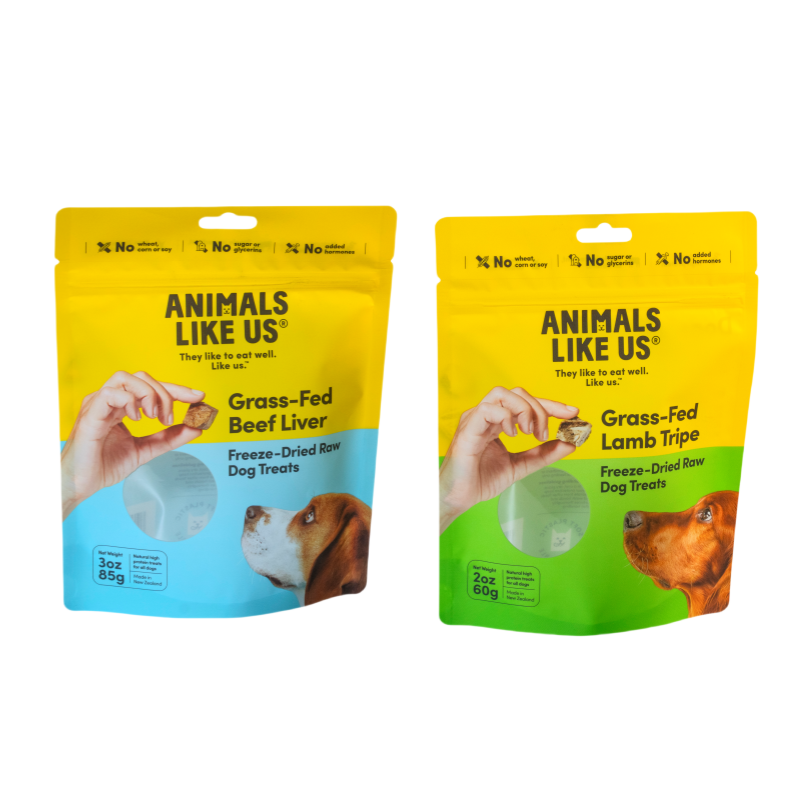
A recyclable stand up pouch can be a suitable option for dry foods, snacks, coffee, pet food, home care, and personal care products where shelf presence and resealability matter. The format provides a large printable area and can include consumer convenience features such as zippers.
LDPACK offers recyclable stand up pouch options using mono material structures and designed to support PE or PP recycling streams where accepted.
Recyclable Quad Seal Pouches
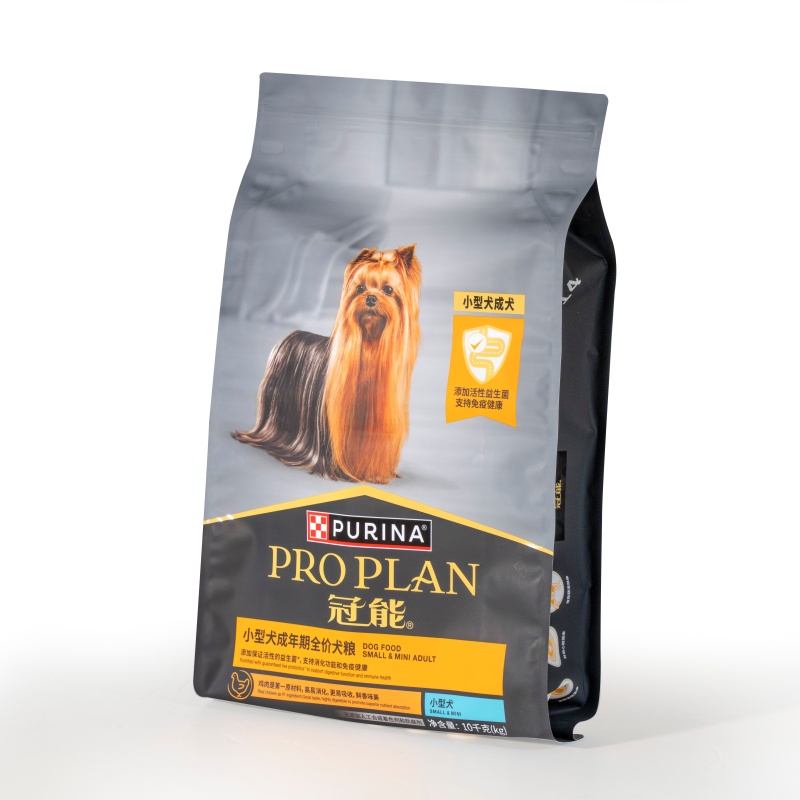
A recyclable quad seal pouch can be a useful format for heavier products that require stronger structure, reinforced gussets, and premium shelf appearance. It is commonly considered for dry pet food, coffee, grains, powders, and other products where stability matters.
For this type of pack, the procurement team should assess product weight, drop resistance, seal performance, filling process, barrier requirement, and the compatibility of any zipper or valve with the chosen recycling design.
When Recyclable Packaging Makes More Sense
Recyclable flexible packaging is often worth prioritising when:
- The product is dry or unlikely to be heavily contaminated after use.
- The brand sells in multiple regions with established PE, PP, paper, PET, or other relevant recycling systems.
- The product requires high barrier performance or a long shelf life.
- The business needs a pouch format compatible with existing packing equipment.
- The brand wants to move away from complex multi material laminates.
- The packaging can be labelled with clear disposal instructions for the target market.
This does not mean every recyclable pouch will be accepted in every location. It means the brand has a clearer starting point for designing around a material recovery route.
When Compostable Packaging May Be More Suitable
Compostable packaging can be a sensible choice when food contamination makes recycling unrealistic and a verified composting route is available.
For example, a foodservice operation serving fresh meals in a controlled venue may collect food scraps and used serviceware together. In that situation, the ability to place food residue and packaging into an accepted organics stream may be more useful than attempting to recover a heavily contaminated recyclable pack.
However, brands should confirm the specific facility's acceptance policy before making a packaging change. Some composting programs accept food scraps but do not accept compostable packaging. Others may accept certain certified items but not all formats.
Five Questions to Ask Before Approving a New Pouch
Before working with a manufacturer of recyclable pre made pouches, ask:
1. What product protection is required for moisture, oxygen, light, aroma, heat, and puncture resistance?
2. Which countries and regions will receive the product?
3. What collection and recycling routes exist for the intended pouch structure?
4. Are zippers, spouts, labels, inks, and adhesives compatible with the selected recycling design?
5. What testing is needed before production, including sealing, barrier, transport, filling line, and shelf life validation?
These questions help avoid a common mistake: changing materials for a sustainability claim without confirming whether the new package still protects the product and fits the market.
FAQ
Q1. Is recyclable packaging better than compostable packaging?
A: Neither option is better in every situation. Recyclable packaging can be a practical choice for clean, high performance packs sold into markets with suitable collection systems. Compostable packaging can be useful for food contaminated items when a verified composting route exists.
Q2. Can compostable packaging go in a recycling bin?
A: Usually no. Compostable packaging is not designed for standard plastic recycling streams and may interfere with recycling if mixed with conventional materials.
Q3. Is a mono material pouch recyclable?
A: A mono material pouch can be designed to support recycling in the relevant material stream. Actual acceptance still depends on local collection, sorting, and recycling capability.
Q4. Are recyclable pouches suitable for food and pet food?
A: They can be, provided the selected structure meets the product's required barrier, seal, safety, shelf life, and filling performance requirements. Packaging should be validated for the specific application before full production.
Q5. What should I ask a recyclable pouch supplier?
A: Ask about material structure, intended recycling stream, barrier performance, filling line compatibility, pouch format, closure options, test support, artwork guidance, and product specific sample evaluation.
Choose the Route That Works After Use
A packaging decision should protect the product first, then support the most realistic end of life route for the markets where it will be sold. For many brands, that means moving toward a recyclable pouch structure that reduces material complexity while preserving the functionality consumers expect.
LDPACK can help brands evaluate recyclable stand up, quad seal, spout, retort, and other pre made pouch formats based on product needs and target market requirements.