
Stand-Up Pouches, Spout Pouch, and Rollstock Compared: How to Choose the Right Flexible Packaging
Choosing between stand-up pouches, spout pouches, and rollstock is not only about package appearance. For buyers, the real decision usually comes down to product type, filling method, shelf-life requirements, order volume, and how the package will be used after purchase.
A dry snack, a fruit puree, and a high-volume dairy product do not need the same packaging path. Stand-up pouches are often selected for shelf display and resealable convenience; spout pouches are better suited to liquids and semi-liquids that need clean dispensing; rollstock is more suitable when production runs on automated forming, filling, and sealing equipment.
Quick Answer: Which Packaging Format Should You Choose?
Choose stand-up pouches when your product needs strong shelf display, resealability, flexible branding, and retail-ready convenience.
Choose spout pouches when your product is liquid or semi-liquid and needs clean pouring, squeezing, controlled dispensing, and reclosure.
Choose rollstock when you have compatible form-fill-seal equipment, stable production volume, and a need for efficient high-speed packaging.
| Your Product or Situation | Better Choice | Why |
| Fruit puree, baby food, yogurt, juice | Spout pouch | Easy to squeeze, pour, reseal, and carry |
| Snacks, coffee, pet treats, powders | Stand-up pouch | Strong shelf presence and consumer convenience |
| Sauces, condiments, refills | Spout pouch | Cleaner dispensing and better control |
| High-volume food or dairy production | Rollstock | Suitable for automated FFS lines |
| New product launch or multi-SKU testing | Stand-up pouch or spout pouch | Lower setup friction and easier market testing |
| Stable SKU with repeat orders | Rollstock | Better fit for continuous production planning |
There is no single “best” flexible packaging format. The better choice depends on your product condition, filling process, shelf-life target, order quantity, and how consumers will use the package.
Start with the Product, Not the Bag
A common mistake is to choose packaging by appearance first. For real purchasing decisions, the first step should be the product itself.
Before choosing a pouch or film, clarify:
- Is the product dry, liquid, semi-liquid, oily, acidic, frozen, or heat-treated?
- Will it be filled hot, cold, or at room temperature?
- Does it need pasteurization, retort, refrigeration, or ambient storage?
- How long should the product stay stable on shelf?
- Will consumers pour it, squeeze it, scoop it, or reseal it?
- Will the pack be filled manually, semi-automatically, or on an automatic line?
- Is recyclability part of the packaging brief?
These questions decide the film structure, sealant layer, pouch shape, spout type, barrier level, and production format.
A fruit puree pouch, for example, is not just a small bag with a cap. The packaging must consider squeezing performance, oxygen protection, cap safety, filling temperature, sealing strength, and how the pouch behaves during transport.
What Stand-Up Pouches Are Best For
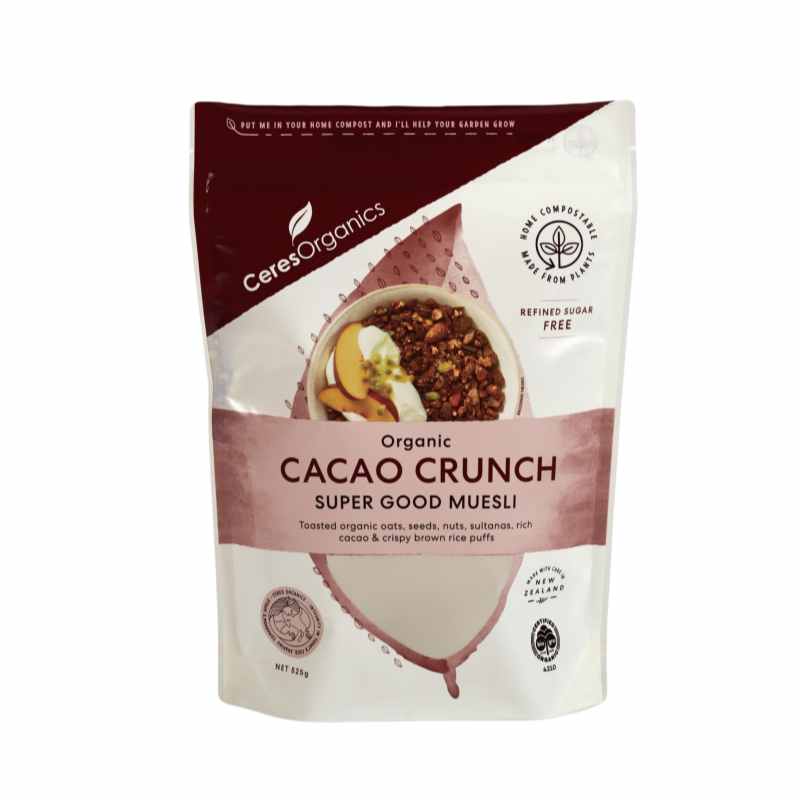
Stand-up pouches are a strong choice when shelf display and consumer convenience matter. The bottom gusset allows the pouch to stand upright, giving the brand more visibility than a flat pouch while using less rigid packaging space than jars, tubs, or bottles.
They are commonly used for:
- Snacks
- Coffee and tea
- Pet food and pet treats
- Powders
- Dry food
- Frozen food
- Seasonings
- Household products
For buyers, the biggest advantage is flexibility. A stand-up pouch can be designed with zipper closure, tear notch, transparent window, matte finish, glossy finish, high-barrier film, or recyclable material structure.
When Stand-Up Pouches Make Sense
Stand-up pouches are a practical choice when you need:
- A retail-ready pack with strong front-facing branding
- Better shelf presence than flat bags
- Resealable convenience for repeat use
- Flexible order planning for different SKUs
- A packaging format suitable for both food and non-food products
- A balance between protection, appearance, and handling efficiency
For dry products and products that are used multiple times after opening, stand-up pouches often provide a good balance of function and brand impact.
What Spout Pouches Are Best For
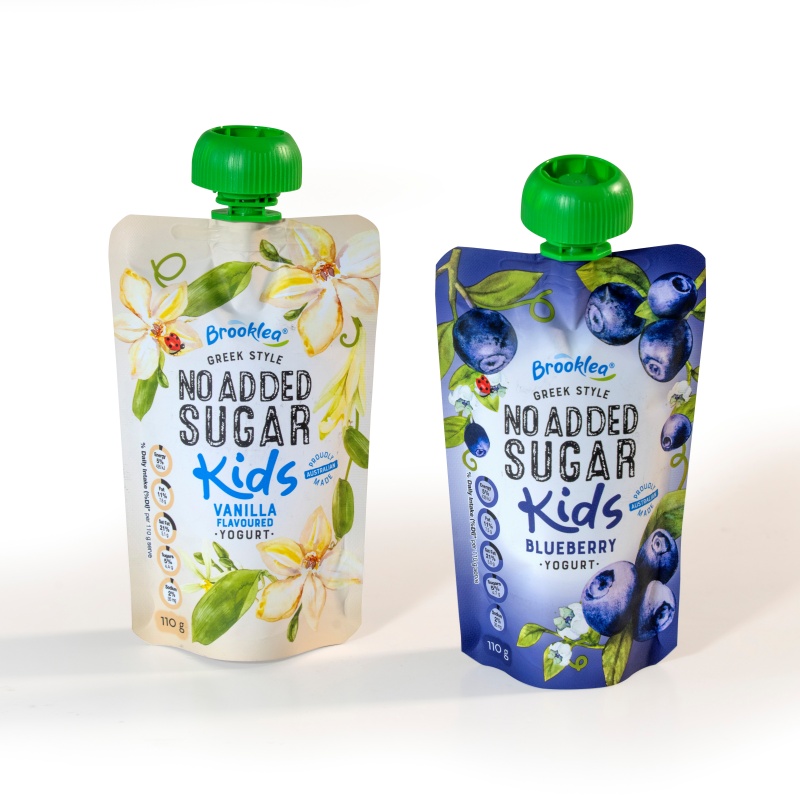
A spout pouch is designed for products that need pouring, squeezing, or controlled dispensing. It combines the shelf presence of a pouch with the convenience of a reclosable cap.
Spout pouches are widely used for:
- Fruit puree
- Baby food
- Yogurt
- Juice and smoothies
- Dairy drinks
- Sauces and condiments
- Liquid detergent
- Shampoo and personal care refills
- Household liquid products
For fruit puree flexible packaging, spout pouches are especially practical because consumers can squeeze the product directly from the pouch. This makes the pack convenient for children, travel, lunch boxes, outdoor use, and single-serve occasions.
Why Spout Pouches Work Well for Fruit Puree
Fruit puree packaging has different requirements from dry food packaging. It needs to protect taste, texture, appearance, and safety while remaining easy to use.
A well-designed fruit puree stand-up pouch should consider:
- Product viscosity
- Filling volume
- Spout position
- Cap type
- Filling temperature
- Sealing area
- Oxygen and moisture barrier
- Light protection if required
- Pouch stability during filling and storage
- Consumer safety and ease of use
For baby food and fruit puree, the cap and spout should not be treated as small accessories. They directly affect user experience, product flow, resealing, and leakage performance.
When Spout Pouches Make Sense
Choose spout pouches when your product needs:
- Easy pouring or squeezing
- Reclosure after opening
- Better portability than bottles or jars
- Lighter packaging for liquid products
- Strong shelf display
- A refill format for household or personal care products
- A more convenient format for on-the-go consumption
Spout pouches are not only for beverages. They are also useful for semi-liquid food, sauces, condiments, gels, detergents, and other products where controlled dispensing matters.
What Rollstock Is Best For
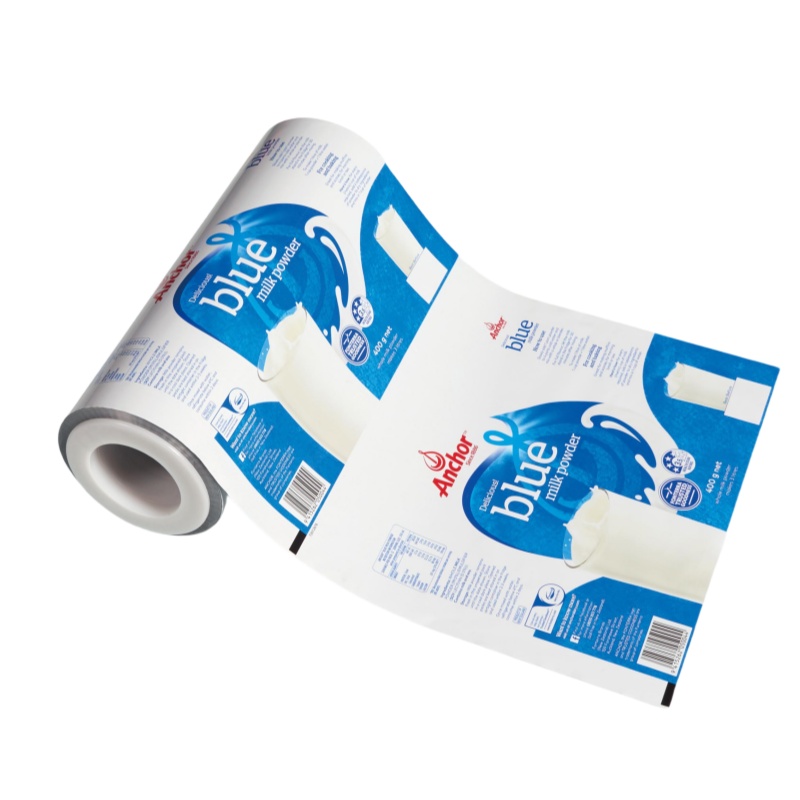
Rollstock is flexible packaging film supplied in roll form. Instead of receiving finished pouches, the buyer or co-packer uses form-fill-seal equipment to form, fill, and seal the package on the production line.
Rollstock is commonly used in:
- Food packaging
- Dairy packaging
- Seasonings
- Modified atmosphere packaging
- High-volume automatic filling lines
- Stable SKU production
- Products where speed and material efficiency are important
For buyers with the right equipment, rollstock can support efficient production. But it also requires more technical alignment before ordering.
When Rollstock Makes Sense
Rollstock is usually a better fit when:
- Your production volume is stable
- Your team understands film width, repeat length, and sealing requirements
- You want packaging that runs efficiently on automated lines
- Your project needs consistent film performance at production speed
Rollstock can be very effective, but only when the film is designed for the machine and product. A film that looks good on paper may still create issues if it does not seal properly, track correctly, or run smoothly on the line.
What Buyers Should Confirm Before Ordering Rollstock
Before placing a rollstock order, prepare:
- Machine type
- Film width
- Repeat length
- Filling speed
- Filling temperature
- Product weight or volume
- Seal jaw type
- Required barrier level
- Packaging size
- Print direction
- Roll diameter and core size
- Storage and transport conditions
The more accurate the information, the easier it is for the packaging manufacturer to recommend a suitable structure.
Material and Barrier: What Buyers Should Pay Attention To
The pouch shape is visible. The material structure is not. But for food, beverage, and liquid packaging, the structure often matters more than the shape.
Depending on the product, a flexible package may need protection against:
- Oxygen
- Moisture
- Light
- Aroma loss
- Oil or acidity
- Freezing conditions
- Heat treatment
- Seal contamination
- Transport impact
For fruit puree flexible packaging, barrier performance and seal quality should be discussed early. Puree products can be sensitive to oxygen, color change, filling conditions, and package handling.
For sauces and condiments, the material may need to handle oil, acid, salt, or strong flavor components.
For dairy products, the pack may need to support freshness, hygiene, and cold-chain handling.
Recyclable Packaging Considerations
Recyclable flexible packaging should be discussed as a full structure, not just as a marketing claim.
For recyclable stand-up pouches or recyclable spout pouches, buyers should ask:
- Is the pouch designed with a mono-material structure?
- Are the spout and cap compatible with the pouch structure?
- Does the barrier layer affect recyclability?
- Are inks, adhesives, and coatings considered in the structure?
- Is the package suitable for the target market’s recycling stream?
- Will recyclability affect sealing, barrier, or filling performance?
A recyclable pouch still needs to protect the product. Sustainability should not be separated from performance.
Common Mistakes Buyers Should Avoid
1. Comparing Only Unit Price
A lower pouch price does not always mean a lower total cost. Buyers should also consider filling efficiency, product loss, leakage risk, storage space, transport handling, and complaint rates.
For liquid products, one leakage issue can cost more than a small saving on pouch price.
2. Choosing the Pouch Before Confirming the Filling Method
The filling process affects pouch size, seal design, material structure, and spout choice. A pouch that works for hand filling may not run well on an automatic line.
3. Treating Fruit Puree Like a Standard Liquid
Fruit puree can be thick, acidic, sensitive to oxygen, and affected by heat treatment. The spout size, cap, film structure, and sealing design should be reviewed together.
4. Assuming All Recyclable Pouches Perform the Same
Recyclable packaging still needs to meet product protection and production requirements. A mono-material design must be balanced with barrier, stiffness, sealing, and filling performance.
5. Not Testing Before Mass Production
Samples, filling trials, drop tests, leakage checks, and shelf-life validation help reduce risk before scaling up.
Why Work with LD PACK
As a flexible packaging manufacturer in China, LD PACK supports buyers who need more than a standard pouch. Its product range covers stand-up pouches, spout pouches, rollstock, and other custom flexible packaging formats for food, beverage, dairy, pet food, condiments, and household products.
For brands looking for a spouted pouch manufacturer, LD PACK can help match the pouch structure with the product inside. Fruit puree, yogurt, juice, sauce, and refill products all have different needs for barrier protection, sealing strength, spout position, cap type, filling method, and shelf stability.
LD PACK also gives buyers room to compare different packaging paths. A new product may start with a printed stand-up pouch or spout pouch for retail testing, while a mature high-volume SKU may move to rollstock for automated form-fill-seal production.
If you are comparing stand-up pouches, spout pouches, and rollstock, LD PACK can review your product type, fill volume, filling process, and sustainability goals to recommend a practical packaging direction.
Conclusion
Stand-up pouches, spout pouches, and rollstock each serve a different packaging need. Stand-up pouches work well for shelf display and resealable dry goods, spout pouches suit liquids and semi-liquids such as fruit puree or sauces, and rollstock fits stable, high-volume production on automated filling lines. The right choice depends on your product, filling method, shelf-life target, order volume, and how customers will use the package. If these details are not fixed yet, start with a packaging review before ordering.
FAQ
Q1. What is the difference between stand-up pouches and spout pouches?
A: Stand-up pouches are flexible pouches with a bottom gusset that allows the package to stand upright. Spout pouches add a spout and cap, making them better for liquids, semi-liquids, pouring, squeezing, and reclosure.
Q2. Are spout pouches suitable for fruit puree?
A: Yes. Spout pouches are commonly used for fruit puree, baby food, yogurt, smoothies, and other semi-liquid products because they are easy to squeeze, carry, dispense, and reseal.
Q3. Is rollstock better than pre-made pouches?
A: Rollstock is better when you have compatible FFS equipment, stable production volume, and repeat SKU demand. Pre-made pouches are often better for product launches, multi-SKU orders, and projects that need easier setup.
Q4. Which packaging format is best for liquid products?
A: For consumer liquid and semi-liquid products, spout pouches are often a strong option because they support clean pouring, controlled dispensing, portability, and reclosure. For high-volume automated production, rollstock may also be considered.
Q5. Can stand-up pouches and spout pouches be recyclable?
A: Yes, they can be designed with recyclable material structures, such as mono-material solutions. However, recyclability depends on the full package structure, including film, barrier layer, spout, cap, inks, adhesives, and the recycling system in the target market.