
What Is PPWR and Why Does It Matter for Flexible Packaging?
Packaging decisions in the European market are becoming more technical under the EU Packaging and Packaging Waste Regulation. For flexible packaging, the focus is no longer only on appearance, cost, or basic recyclable claims, but on the full packaging system: material structure, barrier performance, inks, coatings, fitments, labeling, and real-world recyclability.
This matters because many pouches use multi-layer materials to protect food, beverages, pet food, dairy, sauces, and home care products. These structures can deliver strong performance, but they may also create challenges for sorting and recycling.
PPWR pushes brands to review whether a pouch can be simplified, whether a mono-material PE or PP structure can meet the same protection needs, and whether the final pack can be collected, sorted, and recycled in practice.
What is PPWR?
PPWR stands for Packaging and Packaging Waste Regulation. It is the EU’s updated regulatory framework for packaging and packaging waste. The regulation entered into force on 11 February 2025 and will generally apply from 12 August 2026. It covers all packaging and packaging waste, regardless of material or origin, and sets requirements for packaging manufacturing, composition, recoverability, reuse, waste management, and prevention.
In simple terms, PPWR is not only about whether a package carries a recycling symbol. It looks at the full packaging life cycle:
- how the package is designed;
- what materials are used;
- whether unnecessary packaging is avoided;
- whether the package can be collected and sorted;
- whether the materials can be recycled in practice;
- how consumers understand disposal instructions;
- how packaging waste is managed after use.
For flexible packaging, this means a brand should not ask only, “Is this pouch recyclable?” A better question is:
Can the full pouch structure, including films, inks, adhesives, coatings, fitments, and labels, support recycling in the target market?
That distinction matters. A pouch can use a recyclable base material but still face recycling challenges if the overall structure contains incompatible components.
Why PPWR Directly Affects Flexible Packaging
Flexible packaging is lightweight and material-efficient, but it is also structurally complex. A pre-made pouch may include several layers for printing, sealing, oxygen barrier, moisture protection, puncture resistance, or heat resistance. It may also include zippers, spouts, caps, valves, coatings, inks, and adhesives.
Under PPWR, brands need to review the whole pack, not only the main film. Even if the pouch body is designed with recyclable materials, incompatible fitments, heavy ink coverage, barrier coatings, or mixed material layers may still affect sorting and recycling.
This is why many brands are reviewing whether traditional multi-layer structures can be simplified into mono-material PE or PP pouches. These structures may help reduce material complexity and better support PE or PP recycling streams, but they still need to meet product protection needs.
Before changing a pouch structure, packaging teams should check:
- whether the product needs oxygen, moisture, light, grease, or heat resistance;
- whether the seal strength and barrier performance can be maintained;
- whether zippers, spouts, caps, or valves are compatible with the main material;
- whether the pouch can run on existing filling and sealing equipment;
- whether the target market has a suitable collection and recycling system.
For flexible packaging, PPWR is not just a recycling requirement. It is a design review that connects material structure, product safety, packaging performance, and real-world recyclability.
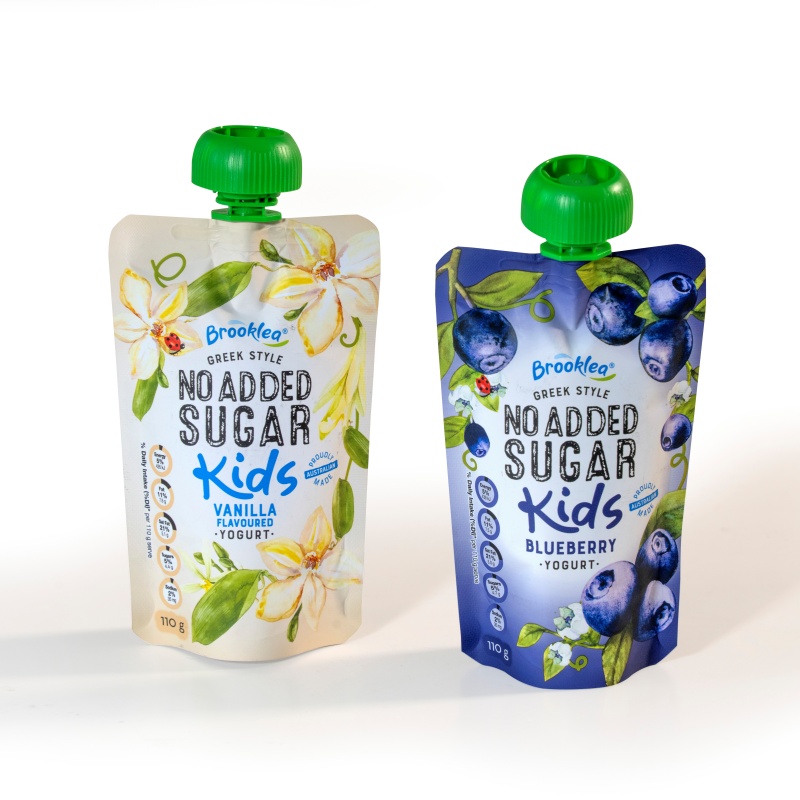
Why PPWR Is Driving the Shift Toward Mono-Material PE and PP Pouches
Mono-material packaging is becoming an important direction for flexible packaging because it can reduce material complexity.
A mono-material pouch usually means the main structure is designed around one plastic family, such as polyethylene-based or polypropylene-based materials. The purpose is to make the pouch more compatible with a defined recycling stream.
LD PACK highlights mono-material packaging and plastic-reduced fitments as a practical direction for recyclability goals, and states that its packaging solutions are ready for recycling in PE/PP waste streams.
Mono-PE Pouches
Mono-PE pouches can be a practical option for many dry food, snack, pet food, household, and refill applications. PE offers strong heat-sealing performance and flexibility, making it suitable for many lightweight pouch formats.
Typical applications may include:
- dry snacks;
- nuts and dried fruits;
- cereal and grains;
- pet treats;
- powder products;
- detergent refill pouches;
- personal care refill packaging.
The main question is whether the mono-PE structure can meet the required stiffness, barrier, machinability, and shelf appearance.
Mono-PP Pouches
Mono-PP pouches can be considered when higher heat resistance, stiffness, or specific process conditions are required. For some retort or hot-fill applications, PP-based structures may offer a better technical route than PE-based structures.
For brands, the key is not to assume that “mono-material” automatically means suitable. A mono-PP retort pouch still needs to be tested under real filling, sealing, sterilization, cooling, storage, and transportation conditions.
How to Choose a Pre-made Pouch Under PPWR Pressure
PPWR does not tell a brand which pouch to buy. It forces the brand to make packaging choices more carefully.
The right pre-made pouch should balance product protection, consumer use, shelf presentation, filling process, transportation, cost, and recyclability.
For Dry Food and Snacks
Dry food packaging usually needs moisture protection, good sealing, and strong shelf presentation.
Suitable pouch formats may include:
- stand-up pouch;
- flat bottom pouch;
- three-side seal pouch;
- quad seal pouch.
For snacks, nuts, dried fruits, coffee, tea, powders, and bakery products, brands can often begin by reviewing whether a mono-PE or mono-PP recyclable structure is possible. If the product is highly sensitive to oxygen or aroma loss, barrier requirements should be tested before any structure change.
For Pet Food and Pet Treats
Pet food packaging must handle weight, grease, odor, and rough logistics. Larger pouch formats also need strong seals and good shape retention.
Suitable formats may include:
- flat bottom pouch;
- quad seal pouch;
- stand-up zipper pouch;
- large-format pre-made pouch.
For pet food brands, recyclability should be reviewed together with puncture resistance, fat resistance, and shelf-life performance. A structure that works for light snacks may not work for heavy pet food.
For Liquids and Semi-Liquid Products
Liquid packaging has a different risk profile. Leakage, cap compatibility, drop resistance, and dispensing control become central.
Suitable formats may include:
- spout pouch;
- stand-up spout pouch;
- flat bottom spout pouch;
- double gusset spout pouch;
- bag-in-box packaging.
For these applications, the pouch body and the spout/cap system should be reviewed together. If the fitment is not compatible with the main pouch material, the whole package may be harder to recycle.
For Retort and Shelf-Stable Food
Retort packaging is one of the most demanding areas for flexible packaging. It must survive sterilization and protect the product through distribution and storage.
Suitable formats may include:
- retort pouch;
- retort stand-up pouch;
- retort spout pouch.
A retort pouch review should include heat resistance, sealing strength, oxygen barrier, delamination resistance, and food safety. Recyclable mono-material retort options may be possible, but they must be validated according to the product formula and process conditions.
For Sauces, Condiments, and Dairy
Sauces, condiments, and dairy products may involve acidity, fat, aroma sensitivity, cold-chain requirements, or heat treatment.
Suitable formats may include:
- spout pouch;
- stand-up pouch;
- retort pouch;
- rollstock for form-fill-seal lines.
The packaging structure should be selected based on product chemistry and distribution conditions, not only on sustainability goals.
How LD PACK Supports Recyclable Flexible Packaging Development
LD PACK offers flexible packaging solutions including pre-made pouches, rollstock, and thermoforming packaging, serving food, beverage, pet food, dairy, home care, and other applications. Its website also highlights recyclable packaging solutions and continued investment in sustainable flexible packaging development.
For brands reviewing packaging under PPWR pressure, LD PACK can support the development process in several practical ways.
Pouch Format Selection
Different products require different pouch formats. LD PACK’s pre-made pouch range includes stand-up pouches, spout pouches, retort pouches, quad seal pouches, flat bottom pouches, double gusset pouches, three-side seal pouches, bag-in-box packaging, and recyclable packaging options.
This allows brands to compare both conventional and recyclable options based on product category, shelf presentation, filling method, and consumer experience.
Mono-Material Structure Review
LD PACK’s recyclable packaging solutions include recyclable spout pouches, recyclable retort pouches, and recyclable flat bottom pouches using mono-material structures.
For brands currently using complex laminates, this creates a starting point for reviewing whether the existing structure can be simplified without losing key performance.
Application-Based Testing
A recyclable pouch should still perform like a real package. That means testing should be based on the actual application.
Brands should evaluate:
- seal strength;
- leakage resistance;
- barrier performance;
- drop resistance;
- sterilization or heat resistance;
- filling-line compatibility;
- shelf-life performance;
- consumer opening and reclosure experience.
This is especially important when changing from a traditional multi-material structure to a mono-material alternative.
Common Mistakes to Avoid When Reviewing PPWR and Flexible Packaging
1: Treating PPWR as a Labeling Issue Only
Labeling matters, but PPWR goes deeper. It affects packaging design, material composition, waste prevention, recyclability, and documentation.
2: Assuming Every Mono-Material Pouch Works for Every Product
Mono-material design can support recyclability, but product protection still comes first. High-barrier food, retort products, liquids, and greasy products need careful validation.
3: Ignoring Spouts, Caps, Zippers, and Valves
A pouch may use a recyclable film structure, but incompatible fitments can still create end-of-life challenges.
4: Reducing Material Too Much
Packaging minimization should not create product damage or food waste. The goal is to use the minimum necessary packaging while maintaining safety and performance.
5: Making Unsupported Compliance Claims
Brands should avoid claiming PPWR compliance without reviewing the final package, market, recycling route, and relevant documentation.
Conclusion:
PPWR matters because it changes flexible packaging from a material choice into a full packaging system review. Brands need to consider not only product protection and cost, but also material structure, recyclability, labeling, packaging minimization, and end-of-life handling.
For pre-made pouches, this means reviewing the whole pack — films, barrier layers, inks, coatings, adhesives, zippers, spouts, and caps. Mono-material PE and PP pouches can support PPWR-driven redesign, but only when they also meet the product’s barrier, sealing, filling, and distribution requirements.
The right approach is to start with product needs, then evaluate pouch format, material structure, functional components, and recyclable packaging options with an experienced flexible packaging supplier.
FAQ
Q1. What is PPWR in packaging?
A: PPWR stands for Packaging and Packaging Waste Regulation. It is the EU regulation covering packaging design, composition, recyclability, reuse, labeling, waste management, and packaging waste prevention.
Q2. Does PPWR apply to flexible packaging?
A: Yes. PPWR applies to all packaging placed on the EU market, including flexible packaging such as pouches, films, sachets, bags, and rollstock packaging.
Q3. Are flexible pouches recyclable under PPWR?
A: Some flexible pouches can be designed for recyclability, especially mono-material PE or PP structures. However, recyclability depends on the full packaging structure, including inks, coatings, adhesives, fitments, labels, and local recycling systems.
Q4. Are mono-material pouches always better?
A: Not always. Mono-material pouches can reduce material complexity, but they must still meet product protection, shelf-life, filling, sealing, and transportation requirements.
Q5. What should brands ask a flexible packaging supplier?
A: Brands should ask about the full material structure, intended recycling stream, barrier performance, fitment compatibility, food-contact documentation, application testing, and whether the pouch can be validated under real production conditions.